
The Role of the Police and the Law
The Picture of Dorian GrayThe legal system appears briefly in the inquest and the investigation of Basil's disappearance, but fails to uncover the truth.
increasing Bearing strength in each event
 decreasing
Bearing strength in each eventdecreasingThe Inquest for Sibyl
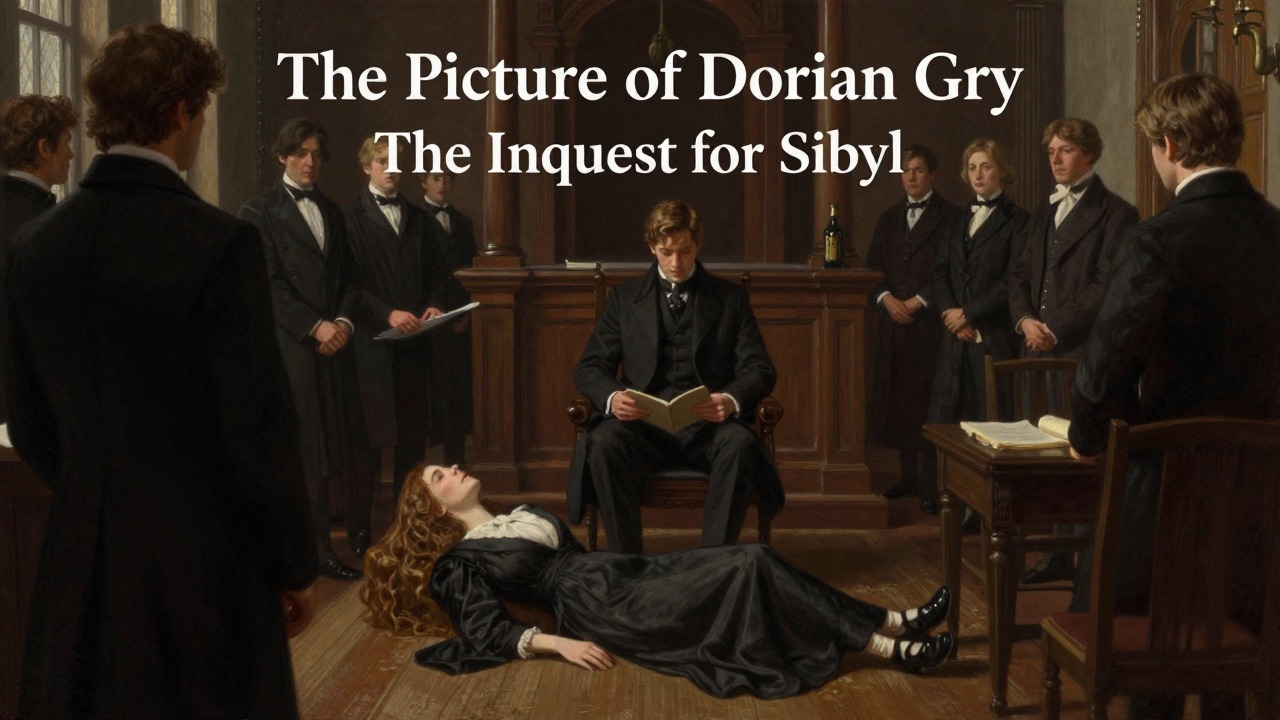
The Inquest for Sibyl
The Legal Process
An inquest is held at the Bell Tavern. The verdict is death by misadventure. The law quickly disposes of the case. No one investigates Dorian's role.
The Inadequacy of the Law
The legal system fails to see the truth. Sibyl's death is treated as a simple accident. The law is an imperfect instrument for justice.
The Investigation of Basil's Disappearance
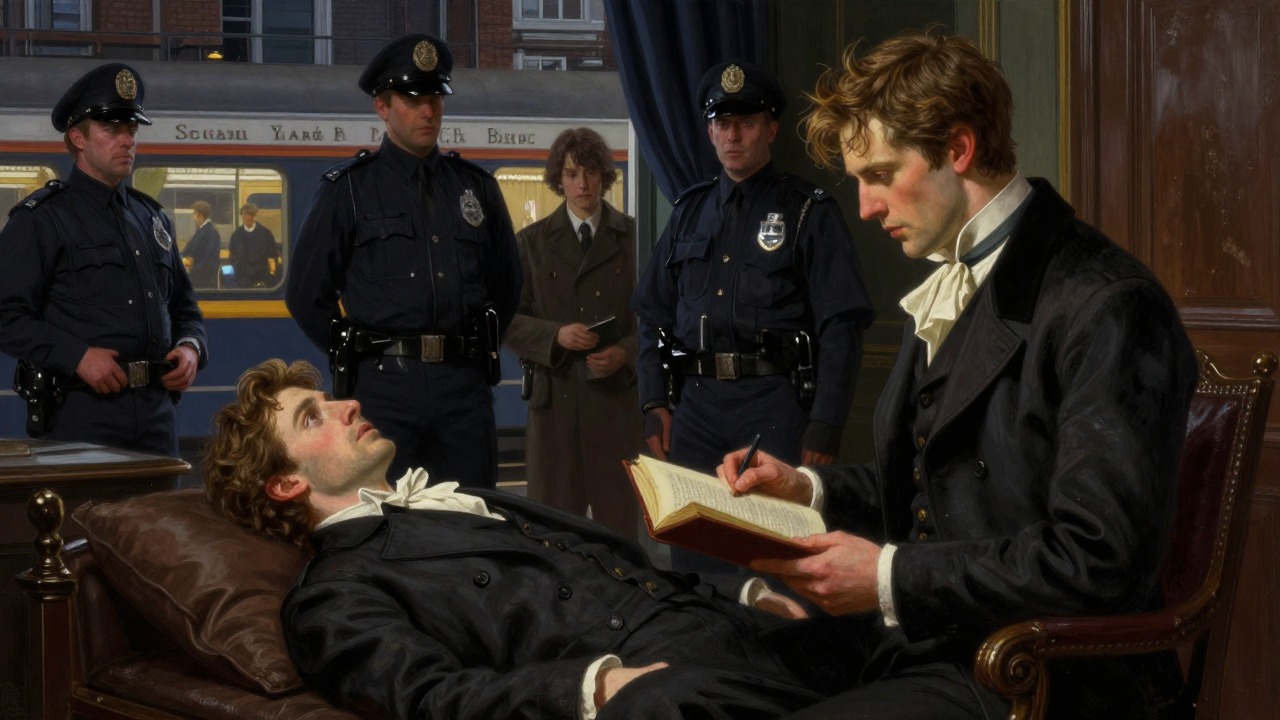
The Investigation of Basil's Disappearance
Scotland Yard's Theory
Scotland Yard believes Basil took the midnight train to Paris. The French police say he never arrived. The case is open but goes nowhere.
The Ineffectual Search
The police never find the body. The law is easily deceived. Dorian's crime remains hidden. The legal system is powerless against his cunning.
The Policeman Outside the House
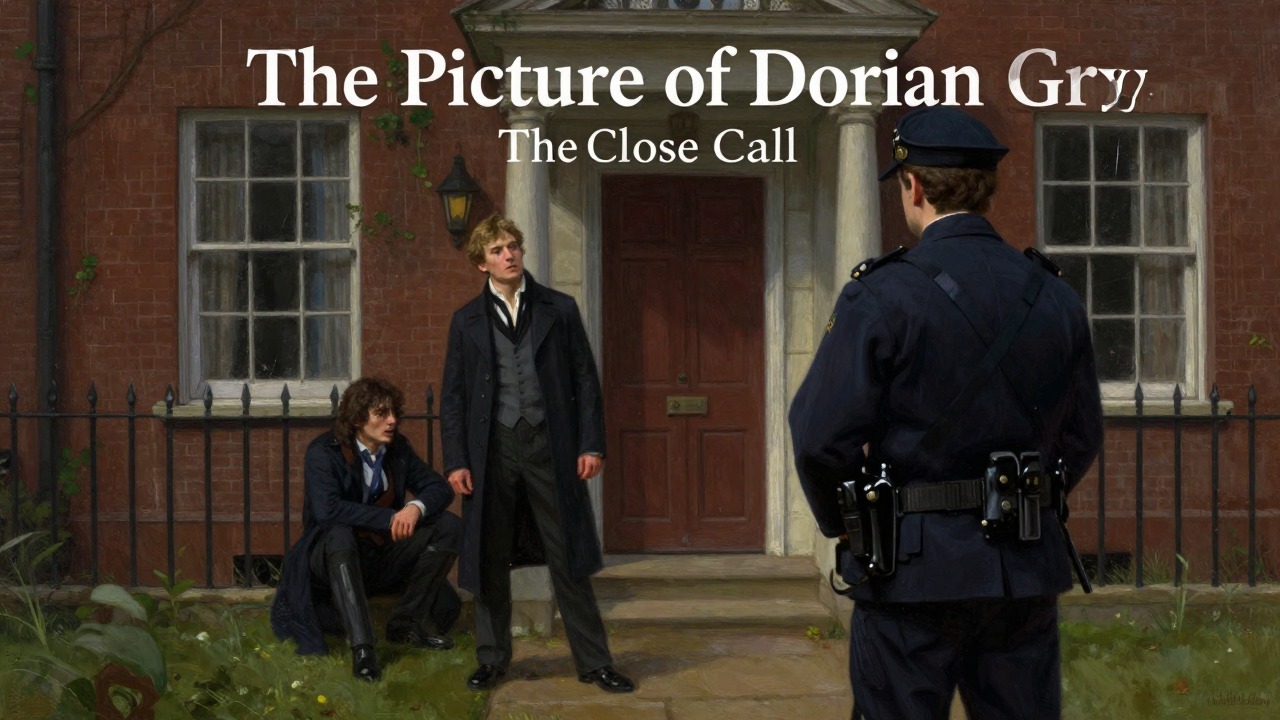
The Policeman Outside the House
The Close Call
After the murder, Dorian watches a policeman on his rounds. He is terrified but not discovered. The law is very close but blind.
The Symbol of Order
The policeman represents the order that Dorian has violated. He walks past the house, unaware of the crime within. The law is a background presence, never intervening.
The Final Scene: No Legal Closure
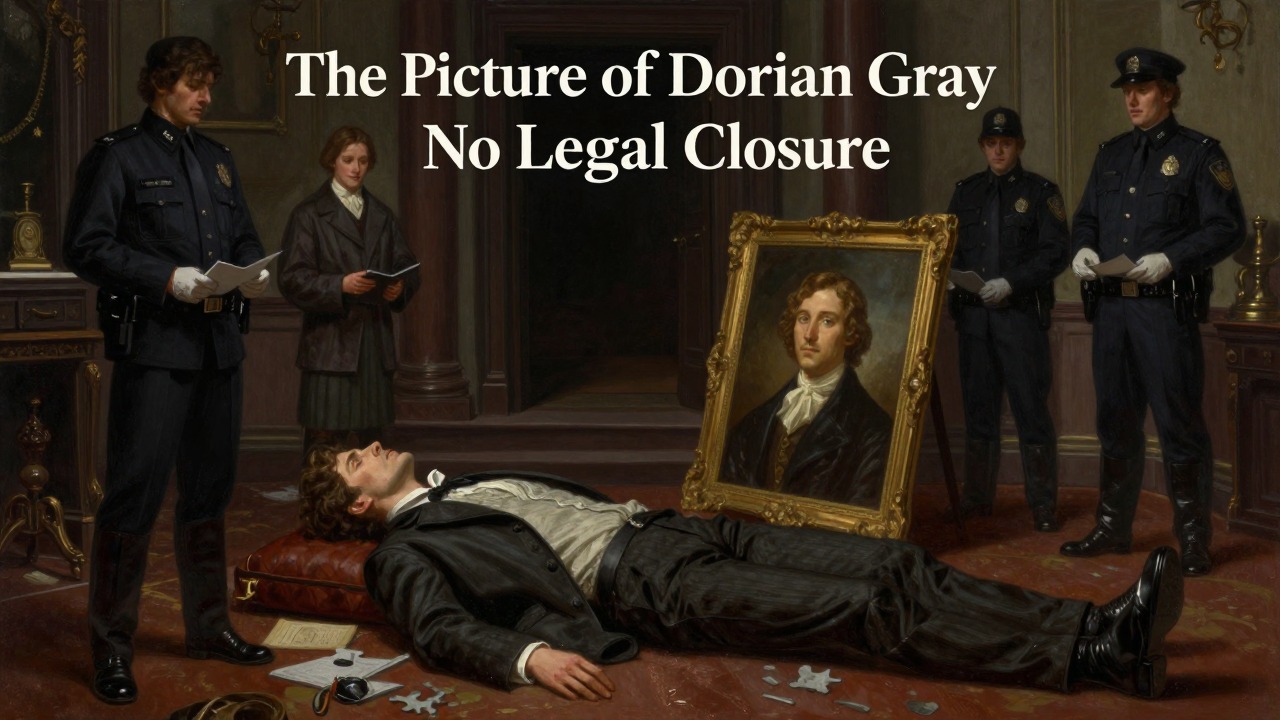
The Final Scene: No Legal Closure
The Discovery
When the servants break in, they find the corpse and the portrait. The police are called. But the mystery is not explained to the public.
The Ambiguous End
The novel ends without a legal resolution. The portrait is a puzzle, and the dead man is unrecognizable. The law cannot solve the supernatural mystery. Justice is left to the moral of the story, not the courts.
The day after her death, Chapter VI
After the murder, Chapter XIII
The night of the murder, Chapter XI
After Dorian's death, Chapter XIII
